
Sleep deprivation 101
Similar to your diet and activity, sleep plays a huge role in your physical and mental health. Your mind and body continue to work while you sleep, recharging from the day and preparing you for the next. The roughly one in three Americans gets insufficient sleep. There are myriad issues that can be caused by a poor night’s sleep, but consistently getting less than the CDC’s recommended seven hours per night can also lead to a more serious problem: sleep deprivation.

What Is Sleep Deprivation?
Sleep deprivation occurs when you regularly don’t get enough sleep. The ideal amount of sleep a person should get will vary based on the individual, and several things can cause sleep deprivation. Causes might include medical conditions, problematic scheduling, or even poor bedtime habits that keep you from giving yourself enough time to fall asleep.
While almost everyone experiences the effects of too little sleep at some point in their lives, the effects of sleep deprivation are more serious than a single restless night. Sleep deprivation may require changes to your lifestyle or the help of a medical professional to properly address the issue.
The terms “insomnia” and “sleep deprivation” are often used interchangeably, but they are not the same thing. Insomnia is a sleep disorder and cannot be attributed to poor sleep hygiene or lifestyle choices. Sleep deprivation, however, occurs primarily because of choices you make—such as staring at screens before bed or not going to sleep at a reasonable hour.
Causes of Sleep Deprivation
There are a variety of factors and issues that can cause sleep deprivation.
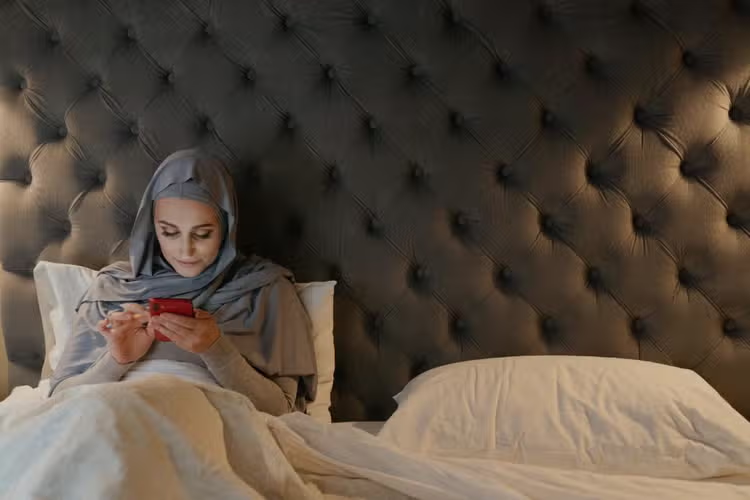
- Voluntary behaviors: You may choose to restrict your sleep to attend a party, watch a movie, or enjoy a hobby. If you consistently choose to go to bed late or wake up early, you may become sleep deprived.
- Work hours: Certain jobs may require you to stay up late, get up early, or work overnight. If you regularly have to work outside of regular daytime hours, you may not be able to get as much sleep as you need.
- School commitments: Children and teenagers tend to require more sleep than adults. Adolescents are prime candidates for sleep deprivation, as they tend to fall asleep later at night than adults but must wake up early to go to school.
- Environment: Your sleep environment can also affect the amount and quality of sleep you get. If you experience continuous disruptions due to your environment—a noisy neighborhood, a bright light, or a partner snoring—it can cause sleep deprivation.
- Personal obligations: You may have personal obligations that restrict your ability to sleep. Caretakers who have to provide overnight care or parents with newborns, for example.
- Medical conditions: Whether you have a short-term illness like a cold, or a chronic illness like insomnia, a health condition that disrupts sleep can cause sleep deprivation.

Symptoms of Sleep Deprivation
Sleep deprivation can lead to certain negative health effects on your mind and body. From your mood to your memory, sleep deprivation may even begin to impact almost every part of your day. It affects everyone differently, and the types of symptoms you might experience will depend on the severity of your lack of sleep. Some of the most common symptoms and health problems related to sleep deprivation include:
-
Daytime sleepiness
-
Moodiness, irritability, or depressed mood
-
General fatigue
-
Lack of motivation
-
Struggling or inability to concentrate
-
Impaired performance
-
Issues with high-level cognitive functions like organization and memory
-
General discomfort or feeling unwell
-
Confusion or disorientation
-
Hallucinations and paranoia
Sleep Deprivation Symptoms in Adults
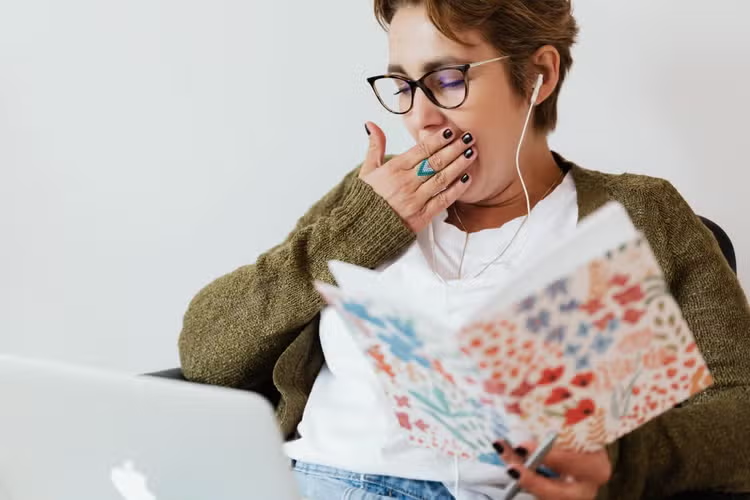
There are certain symptoms of sleep deprivation that adults may experience, but that children and adolescents may not. Generally speaking, if you’re an adult experiencing sleep deprivation, you’ll slow down, feel tired, and have greater difficulty performing tasks during the day. These are some of the biggest signs of sleep deprivation in adults:
- Dozing off when inactive
- Frequent yawning
- Sleepiness or grogginess during the day
- Poor concentration
- Mood swings and irritability
Sleep Deprivation Symptoms in Children
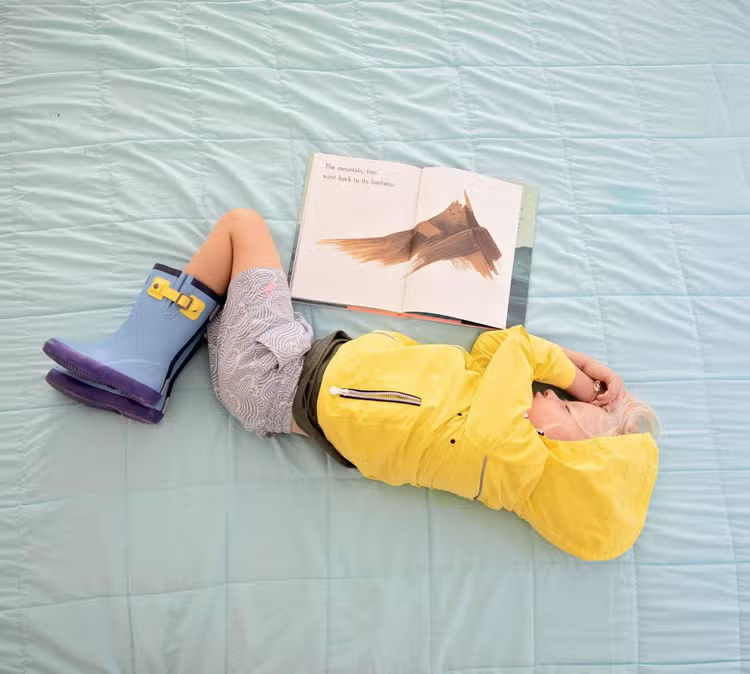
Children are affected by sleep deprivation much differently than adults. Whereas adults slow down and typically feel lethargic, kids may become more active and energetic when sleep deprived. The following symptoms can help you identify sleep deprivation in children:
- Irritability and moodiness
- Temper tantrums or sudden outbursts
- Napping during the day
- Hyperactive behavior or over-activity
- Grogginess or reluctance to get up upon waking
Sleep deprivation does not occur all at once; your symptoms can vary greatly depending on how long you have gone without sleep. Typically, the side effects of sleep deprivation will intensify the longer you have been awake. See our Stages of Sleep Deprivation article for a breakdown of the different stages of sleep deprivation, and what symptoms one can expect to experience.
Treatment and Prevention
Of course, you aren’t completely defenseless against sleep deprivation. There are many steps you can take to treat it on days when you’re feeling groggy, to fight it when you can’t seem to fall asleep or to prevent it from happening in the first place. These are some of the best ways you can fight sleep deprivation:
 Woman sitting on meditation cushion

Meditation
Meditation, mindfulness, and other relaxation techniques can not only help you fall asleep but can also improve the quality of your overall sleep. One study suggests that meditation may even reduce the length of time you need to sleep. Meditation can help promote relaxation while also reducing stress, both of which can make sleep come more easily.
There are many ways you can incorporate meditation into your daily routine to promote sleep. You may choose to meditate right before you sleep, while you’re in bed trying to go to sleep, as soon as you wake up, or during the day when you have some free time. Do what works best for your needs and schedule.
Skip the Caffeine
While you may need coffee to wake up in the morning, if you drink too much caffeine, or consume it too late in the day, it can hinder your efforts to fall asleep that night. This results in either a reduced amount or quality of sleep and may have you drinking copious amounts of caffeine the next day to compensate, creating a vicious circle.
Pay close attention to your caffeine intake throughout the day, and consider switching to decaf in the afternoon. You may also want to consider cutting back to one cup of coffee per day to see if that makes it easier to fall asleep or swapping the coffee entirely for tea. Any major or abrupt changes in caffeine intake can lead to withdrawal symptoms, such as headaches, nervousness, and fatigue, so be sure to make gradual changes to your caffeine intake.
Avoid Electronics
Technology has become increasingly widespread in modern life, but you may want to leave your phone, computer, and other electronics out of your bedroom. Different colors of lights produce different effects, and the blue light given off by smartphones and computers is known to make you more attentive and boost your mood. While that can be beneficial during daytime hours, it can be disruptive to your sleep.
Avoiding the detrimental effects of blue light on your sleep is relatively simple. Just do your best to limit your exposure to blue lights starting two to three hours before you go to sleep. You can use a red light filter if you choose to watch TV or use your smartphone, as it has the smallest effect on melatonin suppression. Further, looking at or spending time in brighter lights during the day and avoiding them at night may also improve your ability to fall asleep at night.
Improve Your Sleeping Environment
Your sleeping environment plays an important role in your ability to sleep well, and your bedroom may not be conducive to quality sleep. There may be factors you can’t control, such as noisy neighbors, but there are several ways you can improve your sleeping environment. Use blackout curtains to block light, or try a white noise machine like shown below, to disguise other distracting noises. You should also ensure your bedroom is cool—not cold or hot—to create an optimal sleeping environment.

Get a Better Mattress
Naturally, what you sleep on can directly influence your sleep. A worn-out or uncomfortable mattress can make sleep less restful, whereas a new, high-quality mattress can improve the amount and quality of sleep you get. You may benefit more from either a softer or firmer mattress, but the right type of mattress truly depends on your personal preference and needs.

See a Doctor
If you still find yourself struggling with sleep deprivation, despite trying a variety of treatment and prevention strategies, you should see your doctor. You may be suffering from a sleep disorder or have some kind of medical condition that’s preventing you from sleeping. If that’s the case, your doctor may be able to offer additional solutions to help you overcome sleep deprivation.